In focus
I read how AI systems describe Paris firms when prompts move between English and French. The work follows the gap between polished public identity and the thin entity profile models often extract from public evidence.
A composite studio in the 11th, a composite clinic near Trocadéro, and a composite consultancy by Saint-Lazare may all look like “professional services” to a machine. To a Paris client, they do not carry the same promise. I help founder-led firms make their public evidence readable: the category, the arrondissement, the client type, the bilingual phrasing, and the quiet proof that already exists but rarely sits in one clean trail.
I read how AI systems describe Paris firms when prompts move between English and French. The work follows the gap between polished public identity and the thin entity profile models often extract from public evidence.
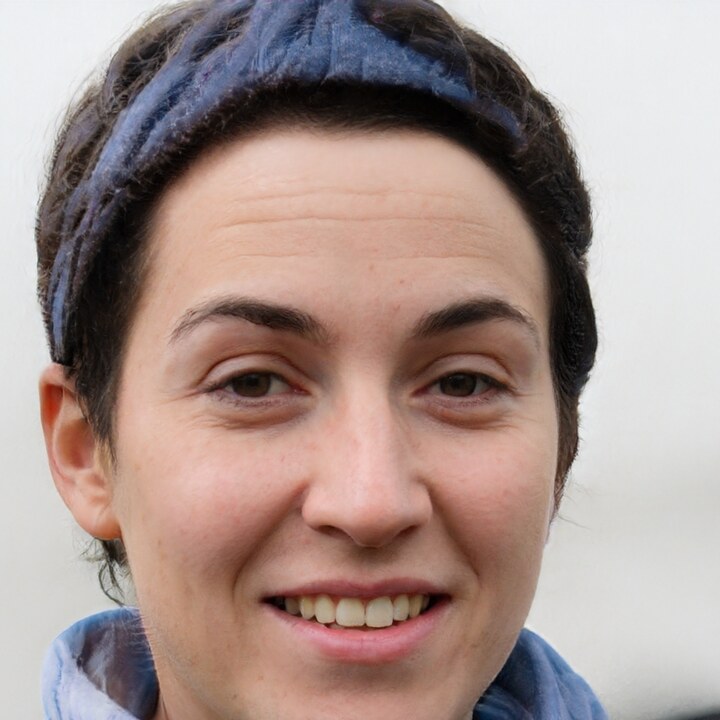
I work where local language, public evidence, and machine description collide. I grew up between the eastern arrondissements and the inner suburbs, where tone changes fast: polished French for institutions, compressed English for technology, neighbourhood shorthand for trust. My job is to make a specific firm legible — its exact category, its arrondissement, its client type, its bilingual phrasing — so AI knows what it does without borrowing the next firm’s identity.
A clear AI answer should know what you do, where you belong, who you serve, and why your evidence holds.
Start with evidence